
Projects funded by the State and the Region
Projects funded by the State and the Region
State-Region Planning Contracts (Contrats de Plan État-Région - CPER) are multi-year agreements that fund structuring projects for regional development. For the RF VSC, these funds support initiatives at the intersection of research, education, and innovation, aligned with regional priorities. They enable co-construction of projects with local stakeholders while enhancing the visibility of research in the Hauts-de-France region.
The CPER ENHANCE (Embedding a Human Dimension in Cultural Heritage, 2021–2027) is coordinated by the FR SCV. Its goal is to combine expertise in humanities, social sciences, and digital technologies to develop interactive and immersive digital visual content, placing humans at the heart of these creations. Each year, the RF VSC supports around ten projects through this program.
CPER Projects on Video
Projects for the 2026–2027 cycle
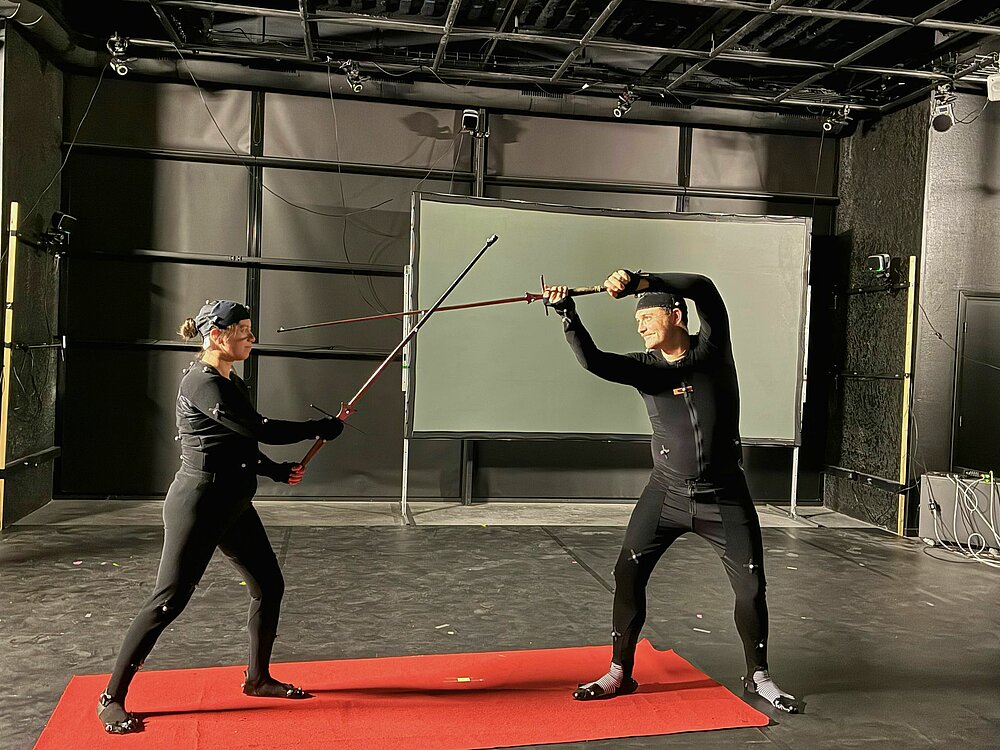
ABACCA : Analysis of body language in armed situations
To explore the historical armed gesture as a scientific subject in its own right by combining computational motion analysis, geometric modelling and approaches drawn from history, the anthropology of gesture and motor semiotics.
Project leaders: Mohamed Daoudi (Cristal) Pierre-Henry Bas (FR SCV – Hartis)
CDDO-LUX : The field of the cloth of gold illuminated
The CDDO-Lux project aims to reconstruct the interiors and the lightings of the temporary palaces built in Guînes and Ardres (in the Calais region) for the meeting between the courts of Francis I of France and Henry VIII of England (7–24 June 1520) during the Field of the cloth of gold (CDDO).
Project lader: Isabelle Paresys (Hartis)
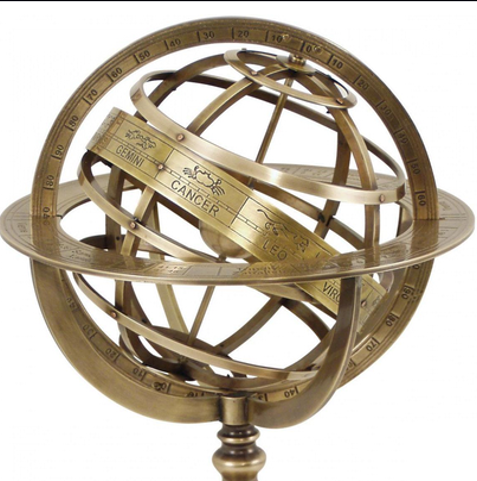
EUCLI3D : 3D numerical models of Euclid’s phenomena
Eucli3D will present the Greek text and the new, complete French translation of the Phenomena online, accompanied by an illustrative 3D video for each of the 19 propositions.
Project leader: Thomas Bénatouïl (STL)
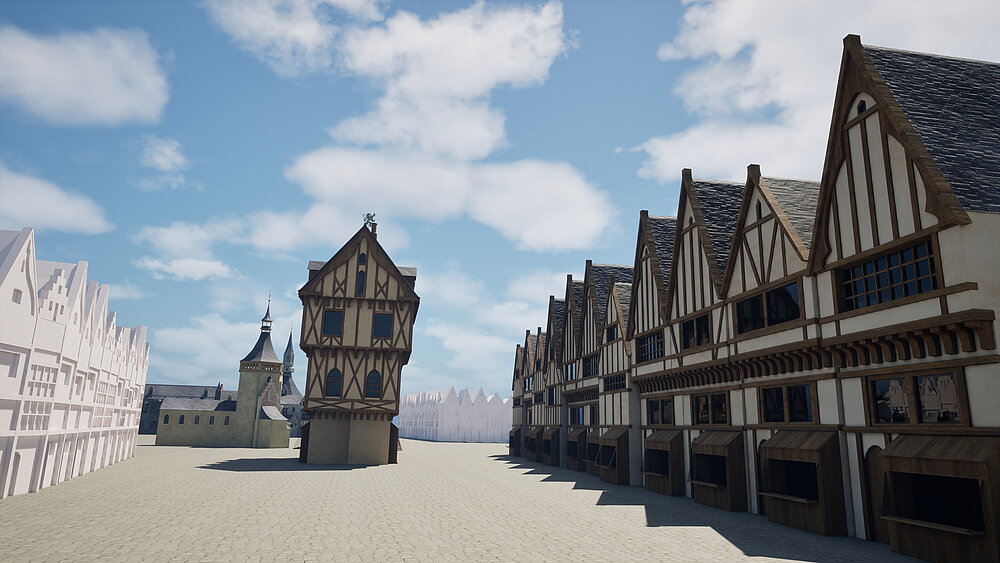
INSULA : Seeing and hearing the medieval city
It is Wednesday 12 June 1448, in Lille’s market square, at the heart of a lively, bustling, colourful and noisy medieval town. The crowd gathers between the market stalls, which are draped in colourful fabrics. The cries of the traders calling out to passers-by mingle with the sounds of animals and the wheels of carts rumbling heavily over the sandstone paving stones. The ringing of the bells reminds us of the morning’s religious services. Suddenly, our attention is drawn to the sound of a trumpet coming from the town hall, the seat of the city’s authority. People gather in the shadow of the belfry, keeping an eye on the clock, to listen to the proclamation by the town crier stationed on the ‘bretesque’, a balcony suspended from the façade…
We are in the 21st century and we are strolling between the Grand’Place and the Place du Théâtre. All that remains of the medieval market are 140 cobblestones, which discreetly remind today’s passers-by of a vanished place.
The INSULA project offers a digital visual and audio restitution of Lille’s market square on the day of Wednesday 12 June 1448. Drawing on archives, archaeological sources and extensive analysis, it will now be possible to understand this space in terms of both its physical characteristics and the activities that took place there.
Project leaders: Pauline Triplet, Élodie Lecuppre-Desjardin, Mathieu Vivas (Hartis)

MERSA: The Mechanism of Encoding and Voluntary and Involuntary Retrieval of Autobiographical Memories
The aim of the project is to identify the correlates of encoding that predict subsequent forms of voluntary and involuntary recall; to distinguish precisely between the correlates of voluntary and involuntary recall; and to propose a dynamic, multimodal model of the construction and retrieval of autobiographical memory.
Project leaders: Mélissa Allé (Scalab)
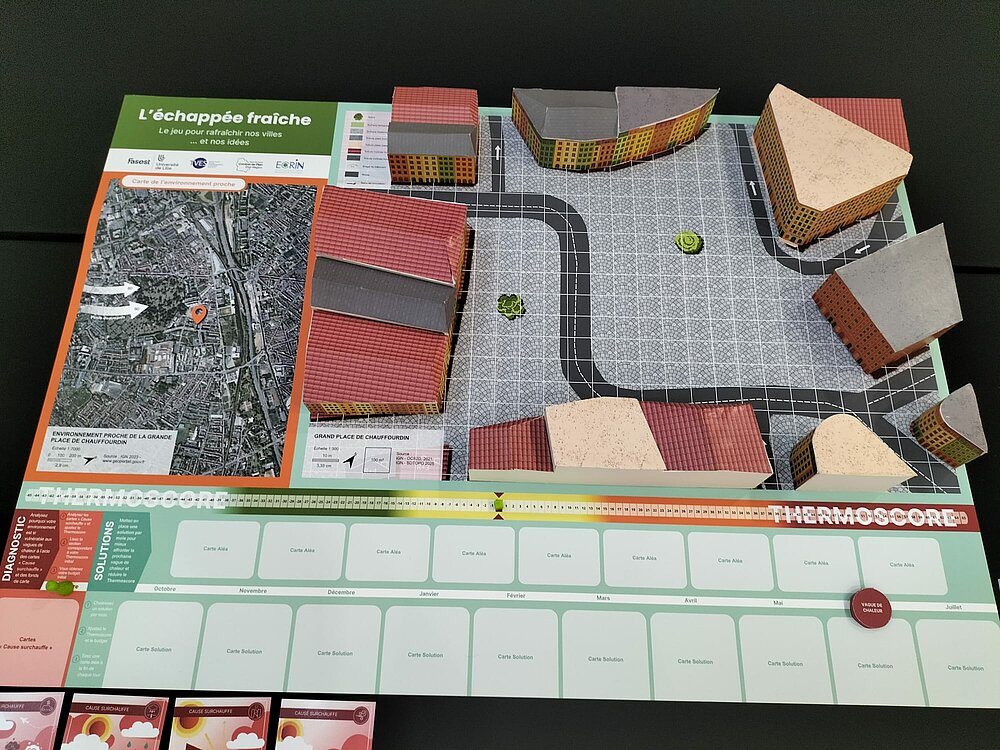
The project aims to adapt the game L’Échappée fraîche into a collaborative digital gaming environment, utilising the facilities of the Sciences & Cultures du Visuel Research Federation and making it playable on a collaborative touchscreen table. The aim is to model the game board, the urban spaces under study and the catalogue of adaptation solutions, and then to transpose the existing collaborative mechanics (assessment, choice of solutions, risk management, etc.) into an interactive digital environment.
Project leaders: Magalie Franchomme (TVES), Brume Delaunay (TVES)
Discover the project's webpage
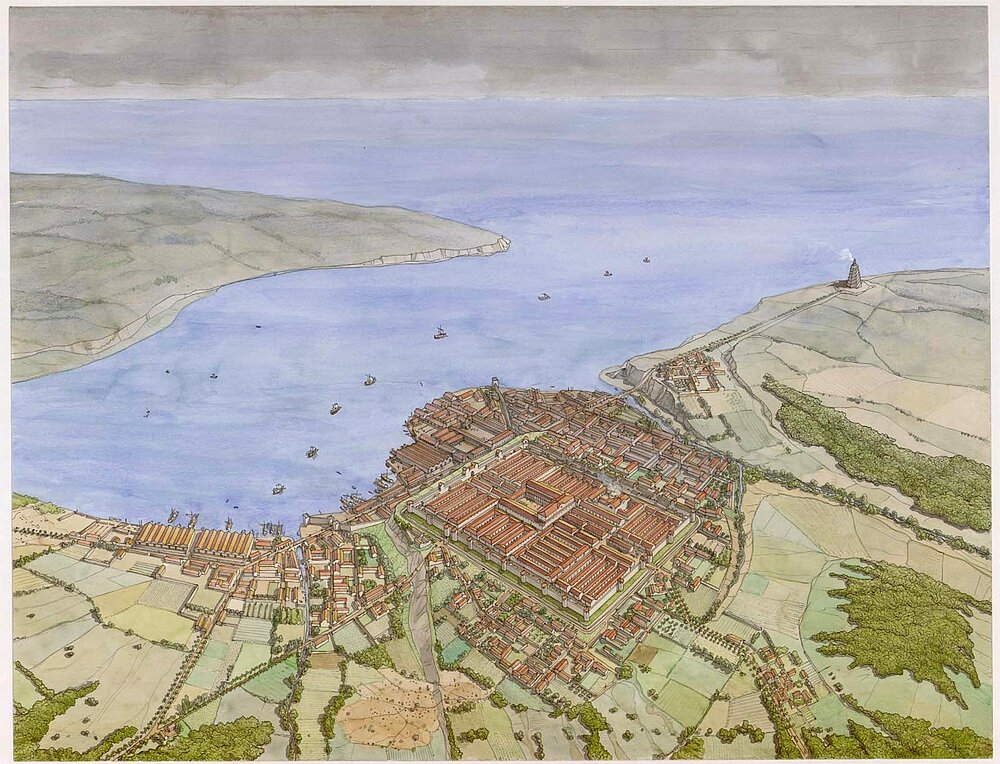
OPAL : Tools for promoting the ancient heritage of the coast: A stop-off at ‘Antique Opal’ – when Boulogne was by the sea
The project proposes a scientifically accurate and scalable 3D restitution of the ancient port, designed as an educational tool to be used across multiple platforms by the municipal archaeological department.
Project leader: Frédérique Blaizot (Hartis)
PRONAIA : Project for the Operational and Digital Recontextualisation of the In Situ Athena Statue and Artefacts on the Marmaria Terrace at Delphi
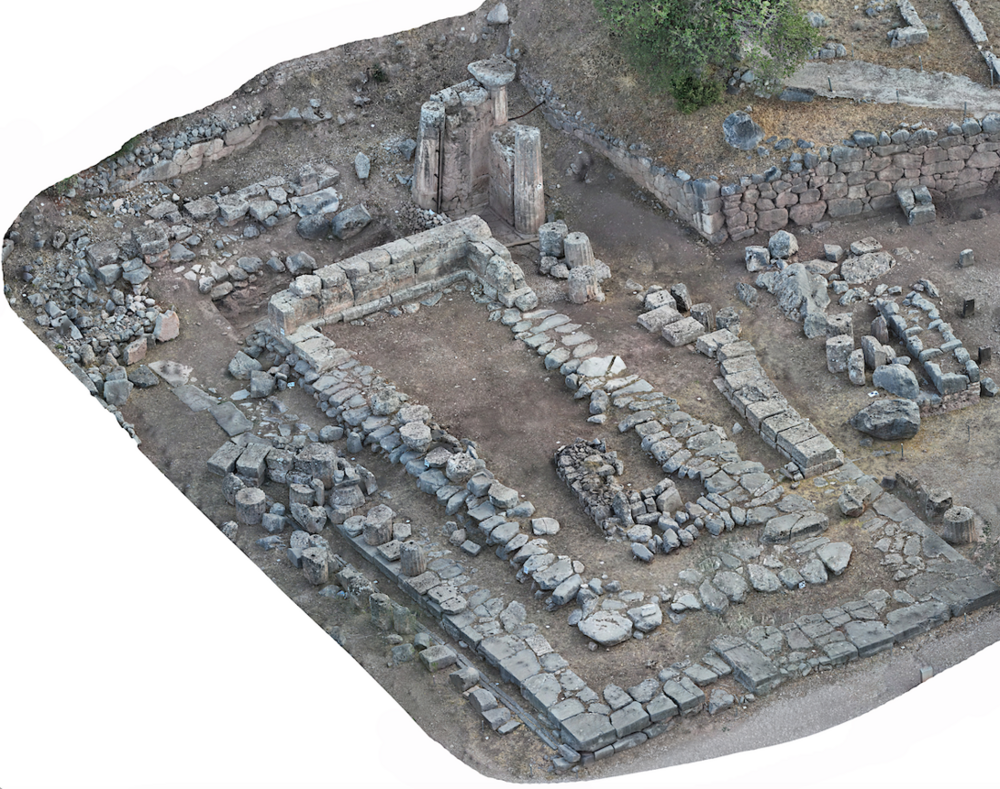
To offer an original analysis of the architectural construction at Delphi in relation to geological and environmental conditions, drawing on disciplines essential to a detailed interpretation of the archaeological remains.
Project leader: Sandrine Huber (Hartis)
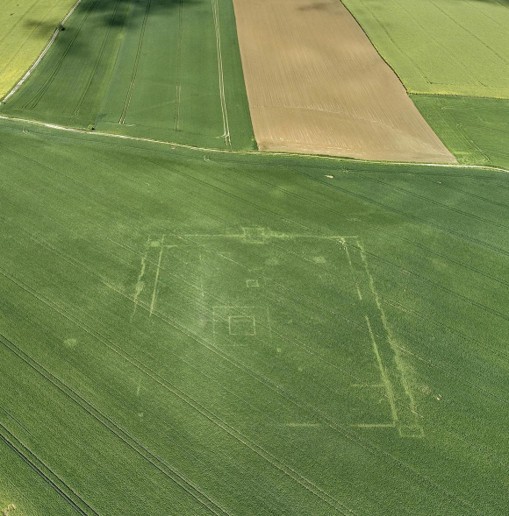
TEMPBEL 3D : Project for the study and 3D restitution of the ancient sanctuary at Jenlain
The project aims to reveal the buried and hidden ancient heritage of the Hauts-de-France region and the Euroregion, by using 3D restitution as a tool for discovery, interpretation and scientific mediation.
Project leader: Laetitia Legrand-Meurisse (Hartis)
VIZICLIM : Creating an immersive experience to raise awareness of climate change
Incorporate dynamic simulations of photorealistic images and videos of flooded areas for any geographical location. A bespoke narrative and visual design are planned to conceal the technology, allowing the message and the intended emotional impact to take centre stage.
Project leader: Tanmoy Mondal (Cristal)
Projects of the 2024-2025 cycle
CORCEAFF : cerebral correlates of affordances
This project falls under the framework of embodied cognition theory, which highlights the connections between perception, action, and cognition. It focuses on studying the brain mechanisms (neurophysiological substrates) and the effects of affordances (action possibilities offered by the environment) on cognitive functioning. The goal is to understand why certain situations, by suggesting actions, particularly capture our attention at the perceptual level.
Project leader: Yannick Wamain ( Scalab)
DemDif : Democratizing immersive display technologies
DEMDIF focuses on designing immersive scenographies that transport audiences into a virtual environment. The goal is to enable artists to access all types of immersive displays that integrate their personal creation tools. Immersive displays, whether in virtual or mixed reality, make it possible to create new scenographies for performances or artistic installations, immersing both artists and audiences in a virtual environment.
Project leaders: Florent Berthaut (Cristal) et Lionel Palun (Artist 720 Digital)
DiaViAud
This project aims to understand how visual and auditory information influences our memory during social interactions (known as conversational memory). The goal is to develop an innovative cognitive model that integrates these cues to improve the design of avatars and interactions in virtual environments. Indeed, the precise role of visual elements in memorization remains poorly understood.
Project lead: Dominique Knutsen (Scalab)
DoMa: Integration of multidimensional data and virtual anastylosis
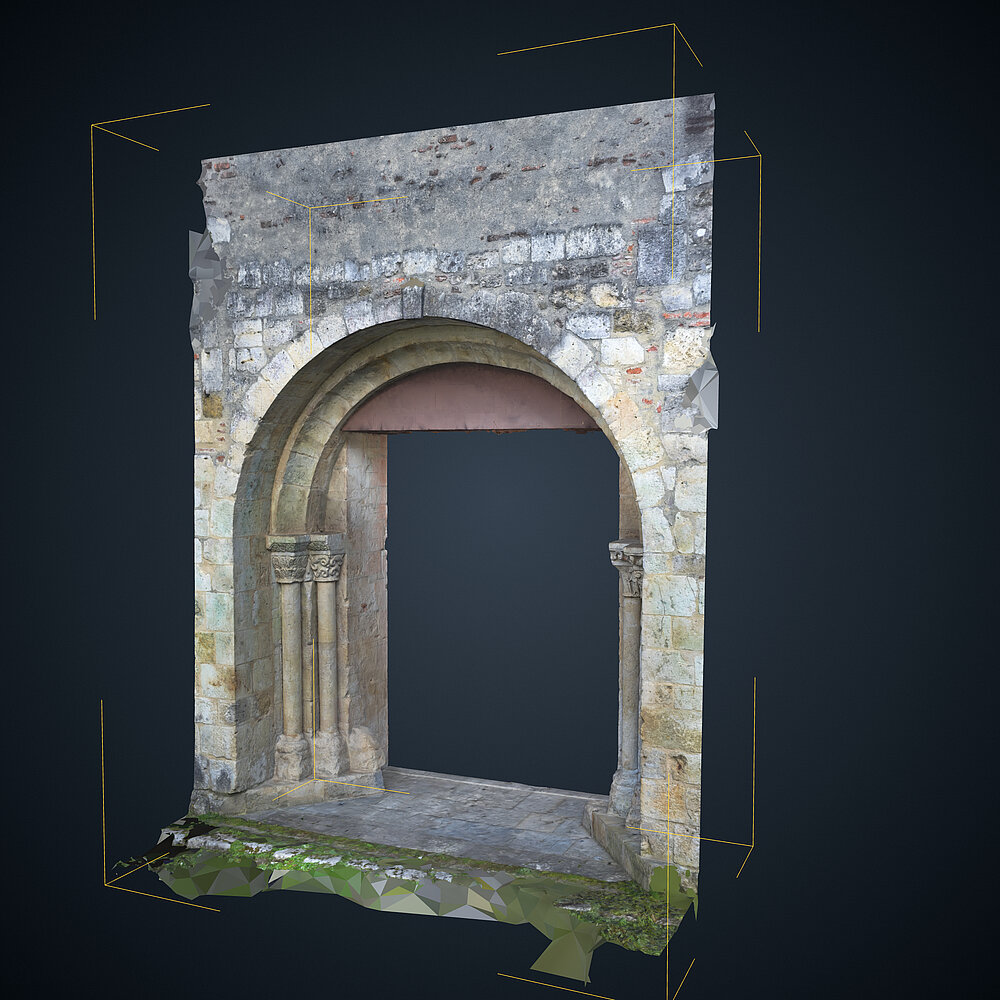
This project aims to reconstruct in 3D two church portals from their preserved remains (a method known as anastylosis): the portal of the former collegiate church of Notre-Dame de Corbeil and that of Sainte-Marie d’Arthous Abbey (Landes). The techniques developed will then be applied to other sites in Hauts-de-France, such as the sculpted portal of Boulogne-sur-Mer Basilica, the collections of carved stones from Vaucelles, Saint-Omer, and Saint-Josse de Dommartin abbeys, the collections of the Musée de Picardie, as well as the lapidary deposit of the destroyed church of Saint-Médard d’Aizy-Jouy (Aisne). The goal is to digitally restore these architectural elements to better study and showcase them.
Project leaders: Mathieu Beaud, Élise Bailleul et Marc Gil (Hartis)
EXPALON18: Paris and London exhibitions in the 18th century. Space, lighting, and hanging
This project aims to enable a precise comparison of the two rival exhibition spaces in London and Paris during the 1780s through a virtual and immersive visit. The goal is to provide historians with new tools, complementary to archives, to understand the visitor experiences in each location during the 18th century, as well as the arguments used to favor one over the other. To achieve this, the project will reconstruct both spaces, their lighting systems, and the arrangement of artworks using 3D visualization, based on contemporary iconographic sources that document the 1787 exhibitions in detail. The project is a collaboration between the University of Lille, the University of Kent in Canterbury, and the Louvre Museum.
Project leaders: Gaëtane Maës (Laboratoire Hartis)
InCity: Entering the city – reconstruction, perception, and valorization using the example of Apollonia of Illyria
The InCity project uses the example of the Greek city of Apollonia of Illyria to establish a workflow model—from field data acquisition to 3D virtual reconstruction—that aims to depict the entry into a city with the greatest possible historical accuracy. This approach seeks to explore the perception of urbanity. At the scale of the Hauts-de-France region, this workflow can be applied to other sites and can also benefit from the knowledge, techniques, and methods used to study fortifications from other periods, particularly Vauban’s fortresses, in synergy with researchers from other research units and universities in the region.
Project leader: Nicolas Genis (Hartis)
InterHuma: Generative models for natural interactions between humans and virtual agents
This project aims to equip a virtual agent with AI capabilities to understand, predict, and respond as appropriately as possible to human actions. To achieve this, the project proposes modeling, learning, and generating human interactions using the most advanced AI techniques. While current approaches in 3D human motion synthesis can produce high-quality animations of digital humans performing a wide variety of actions and gestures, there remains a significant technological gap in studying the complex dynamics of multi-human interactions within this paradigm.
Project leader: Angela Bartolo (Scalab)
INSULA: Seeing and hearing the medieval city...
It is Wednesday 12 June 1448, in Lille’s market square, at the heart of a lively, bustling, colourful and noisy medieval town. The crowd gathers between the market stalls, which are draped in colourful fabrics. The cries of the traders calling out to passers-by mingle with the sounds of animals and the wheels of carts rumbling heavily over the sandstone paving stones. The ringing of the bells reminds us of the morning’s religious services. Suddenly, our attention is drawn to the sound of a trumpet coming from the town hall, the seat of the city’s authority. People gather in the shadow of the belfry, keeping an eye on the clock, to listen to the proclamation by the town crier stationed on the ‘bretesque’, a balcony suspended from the façade…
We are in the 21st century and we are strolling between the Grand’Place and the Place du Théâtre. All that remains of the medieval market are 140 cobblestones, which discreetly remind today’s passers-by of a vanished place.
The INSULA project offers a digital visual and audio restitution of Lille’s market square on the day of Wednesday 12 June 1448. Drawing on archives, archaeological sources and extensive analysis, it will now be possible to understand this space in terms of both its physical characteristics and the activities that took place there.
Project leaders: Pauline Triplet, Élodie Lecuppre-Desjardin, Mathieu Vivas (Hartis)
Lille 18
This project aims to recreate 18th-century life in Lille through a video game. Using procedural generation of events (such as news, economic shifts, and political developments) and diverse AI, each playthrough will offer a unique experience, featuring responsive characters and multisensory immersion. A prototype will be developed in Unreal Engine with support from external development services.
Project leader: Nicolas Wicker (Laboratoire Paul Painlevé)
TEMACO-NUM: Textiles, music, and food at the digital Field of the Cloth of Gold
The TEMACO-NUM project aims to recreate the textile, sound, and culinary environment of the Field of the Cloth of Gold (1520), a lost heritage site of the Hauts-de-France region, built for the meeting between the courts of France and England, near Guînes and Ardres.
While the event is well-documented in diplomatic history, its material culture remains less explored. Banquets, music, and dancing animated the receptions hosted by the monarchs. While Queen Claude of France received Henry VIII and his entourage in Ardres, Queen Catherine of Aragon welcomed Francis I, along with 400 French ladies and gentlemen, in Guînes.
Once reconstructed, the textile decor, furniture, and tableware of the Banqueting Hall and the royal banquet chamber - along with the dishes served - will be brought to life through sound, evoking the unique atmosphere of these spaces. This will include the musical environment that accompanied meals and dances, as well as the ambient sounds of the banquets and service (clinking dishes, announcements, movements of guests). The project intends to create an immersive visitor experience, guiding them through these interconnected spaces.
Project leader: Isabelle Paresys (Hartis)
RECONTEXT advanced: Digital recontextualization of ritual textiles from classical Etruria (5th century BCE)
This project examines the use of textiles in Etruscan funerary rituals through the painted tombs of the Tarquinia necropolis (Italy, a UNESCO World Heritage site). It focuses on three types of textiles: the garments worn by the deceased and the participants during the ceremony, textiles used as mobile decorative objects, and those integrated into the fixed decoration of the tombs.
First, a comprehensive typology of these textiles will be established and reconstructed in 3D to better understand their manufacturing techniques. The tombs will then be digitized to create immersive visual environments where the 3D textiles will be placed. Digital avatars will replicate the gestures and sequences of the ritual. The goal is to reconstruct the tomb space at the moment of its sealing to gain a deeper understanding of the role of textiles in these rituals.
Project leader: Audrey Gouy (Hartis)
SAVV_IHR: Synchronizing verbal and visual attributes in human-robot interaction
The symbiosis between humans and robots relies on the critical ability to create robots that interact seamlessly with people in a way that feels as natural and human-like as possible. A major aspect of this interaction is the consistency between the robot’s visual appearance and its vocal communication. A mismatch in this alignment can lead to discomfort during interactions, a phenomenon known as the "uncanny valley." The goal of this project is to synchronize a robot’s verbal communication style with its physical appearance. This will be achieved by developing a system in which 2D virtual robots provide responses that align with their appearance and reflect the valence and perceptions designed by real humans, thereby enhancing the comfort and effectiveness of human-robot interaction.
Project leader: Tatjana Nazir ( Scalab)
VRTest-Senior: Ecological assessment of episodic memory in seniors using virtual reality
The project aims to develop a new ecological and evaluative test for episodic memory in virtual reality, specifically designed for seniors. A first phase in a real-life therapeutic kitchen setting began in 2023. Thanks to the 2023 Prématuration AAP funding, the necessary basic equipment was acquired, and an initial simulation in Unity was developed. This new support will enable the finalization of the prototype and its testing with an elderly population, which will also help establish initial recommendations for using VR with seniors.
Project leader: Marion Luyat (Psitec)
Projects of the 2022-2023 cycle
APPRENTIMMERSION
The APPRENTIMMERSION project explores the role of visual elements in learning and adapting linguistic representations through the use of videos and images. It aims to validate and provide visual resources to deepen our understanding of how adults learn and adapt linguistic representations.
AREVIR: perception of visual affordances in virtual reality
The AREVIR project focuses on the visual perception of objects in virtual reality. Its goal is to test the contribution of motor representations to perception by studying how learning to use new objects alters the visual perception of those objects.
Project leader: Yannick Wamain (SCALab)
BIG BLAKE: exploring William Blake’s paintings in 3D through virtual reality
The Big Blake project aims to develop an original visual device to create an unprecedented 3D experience of the works of William Blake (1757–1827), the visionary and prophetic painter, engraver, and poet.
Project leaders: Barbara Cousin et Laurent Châtel (CECILLE)
IDANOPOR
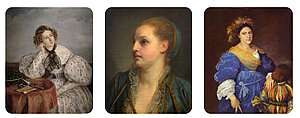
The IDANOPOR project aims to develop an AI-based tool to assist in identifying models in 17th- and 18th-century portraiture. It lies at the intersection of heritage studies and cutting-edge technological development.
To create this tool, the project brings together researchers in the humanities—specializing in Art History and Digital Humanities—alongside computer scientists. The participating laboratories are Hartis (overall coordinator: Gaëtane Maës), affiliated with the Maison Européenne des Sciences de l’Homme et de la Société (MESHS), and the FOX team at the CRIStAL laboratory (coordinator: Chaabane Djeraba). The project benefits from partnerships with the Bibliothèque Nationale de France, the Musée National des Châteaux de Versailles et de Trianon, and the Musée de la Comédie-Française.
NUMA: 3D restoration of Saint Bertin Abbey in Saint-Omer from a scale model
The NUMA project aims to create a digital twin of a scale model of a Gothic monument from the 13th and 16th centuries: Saint Bertin Abbey in Saint-Omer. This model, created around 1840, is preserved at the Musée de l'Hôtel Sandelin in Saint-Omer.
The project has three main objectives:
- To create a complete, human-scale, and textured 3D model of Saint Bertin Abbey.
- To obtain graphic data for studying this monument, which currently exists only in ruins.
- To develop a mediation device tailored to the museum context.
Project leaders: Etienne Hamon et Hugo Dehongher (Hartis)
RECONTEXT: digital restoration of textiles in Etruscan ritual practices – the case of the triclinium tomb (Tarquinia, Italy)
The RECONTEXT project aims to study the clothing and textiles specifically used in Etruscan dance in pre-Roman Italy during the 6th and 5th centuries BCE, and to reintegrate them into their original context using digital technologies.
Project objectives:
- Create a catalog of garments and textiles worn by dancers, and digitally recreate the textiles.
- Develop a 3D model of an Etruscan tomb.
- Digitally reassemble the frescoes removed in 1949 within the tomb.
- Restore Etruscan ritual practices to their archaeological context by recreating their material and visual framework.
Project leader: Audrey Gouy (Hartis)
WEL: digital reconstruction of Mr. Whistler’s Exhibition in London, 1874
The WEL project aims to digitally reconstruct the exhibition designed by American painter James McNeill Whistler in London in 1874. The goal is to assess the consistency between the exhibition principles advocated by the artist and their actual implementation, while also exploring the critical implications of 3D exhibition reconstruction.
Project objectives:
- Collect various sources (exhibition catalogs, press) and documents (correspondence, illustrations).
- Develop a digital model of the exhibition.
- Propose a 3D visualization of the now-lost art gallery, incorporating the lighting conditions of the time.
Project leaders: Isabelle Enaud-Lechien (Hartis)
